Heads Up Poker Rules: Blinds, Dealing and Strategy for 2 Players
Nov 16, 2026 · The Editors
Heads up poker rules for two players: the dealer posts the small blind and acts first before the flop, last after it, and the big blind gets the first card. The full rules for blinds, dealing and tournaments, with strategy.
In heads up poker, two players play one on one, and the blinds work differently: the player on the button posts the small blind, the other player posts the big blind. The button acts first before the flop and last on every later round. When dealing, the big blind gets the first card and the button gets the last.
Heads up poker rules: the blinds
At a full table, the small blind sits to the left of the button. With only two players that would leave the button with no blind, so the rules shift:
| Full table | Heads up | |
|---|---|---|
| Who posts the small blind | player left of the button | the button |
| Who posts the big blind | two left of the button | the other player |
| First to act before the flop | player left of the big blind | the button (small blind) |
| First to act after the flop | first active player left of the button | the big blind |
The button moves every hand, so the two players alternate between small and big blind. See small blind, big blind and the dealer button for the full-table version.
Heads up poker dealing rules
The dealer deals one card at a time, starting with the big blind, so the button receives the last card. After the deal, betting proceeds as in Texas hold'em: pre-flop, flop, turn and river, with the button last to act after the flop. That positional advantage is why the button is the better seat in heads up play.
Heads up poker tournament rules
In a tournament, a table often goes from three players to two when someone is knocked out. The button may need to be adjusted at that moment so that no player posts the big blind twice in a row. Tournament directors apply this rule, and home games usually follow it too. Otherwise, heads up tournament play uses the same blind schedule as the rest of the event.
Heads up poker rules for beginners: strategy
Heads up is a different game from a full table. You are in a blind every hand, so you cannot wait for premium cards.
- Play more hands. Hand values rise sharply with only one opponent. A hand you would fold at a full table, like king-seven or a small pair, is often worth playing heads up.
- Use the button. Acting last after the flop gives you information; raise more often from the button.
- Be aggressive. The player who bets and raises wins many pots without a showdown.
- Watch your opponent. With one opponent, every pattern in their play matters.
Check the poker hand rankings and poker odds chart before you start.
What you need for heads up at home
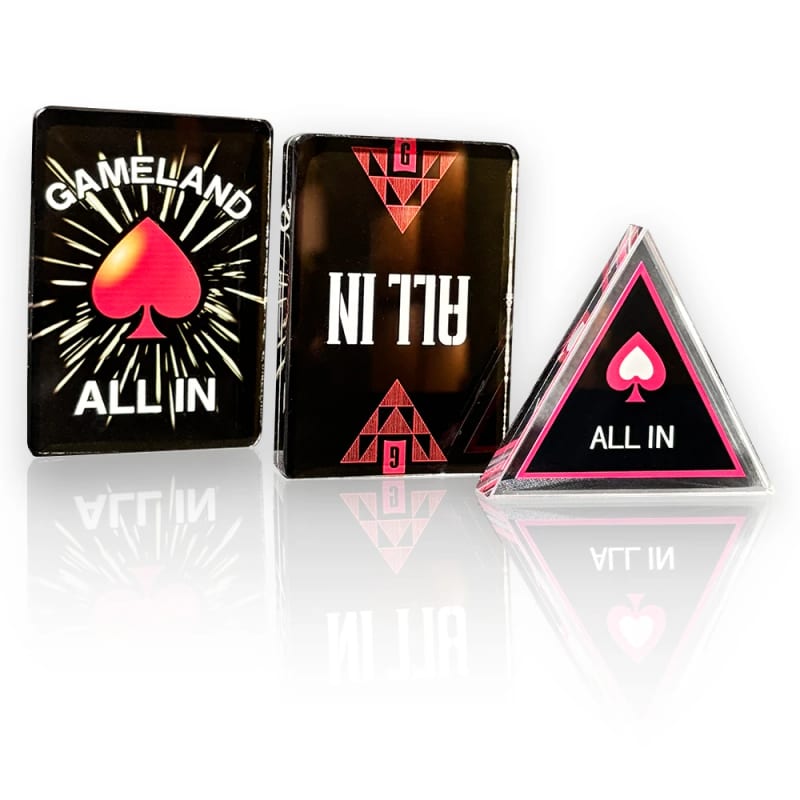
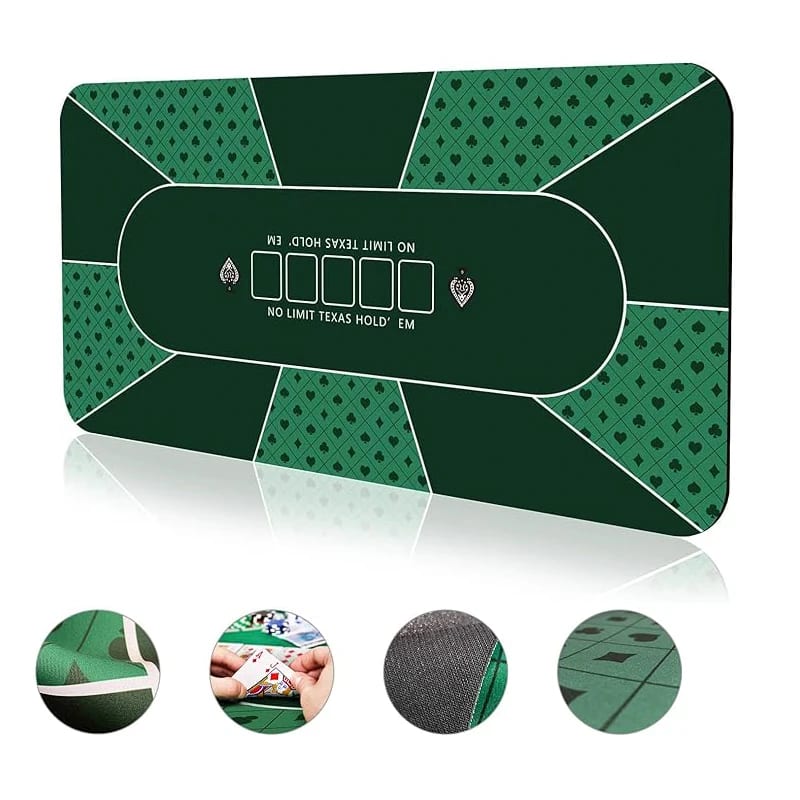
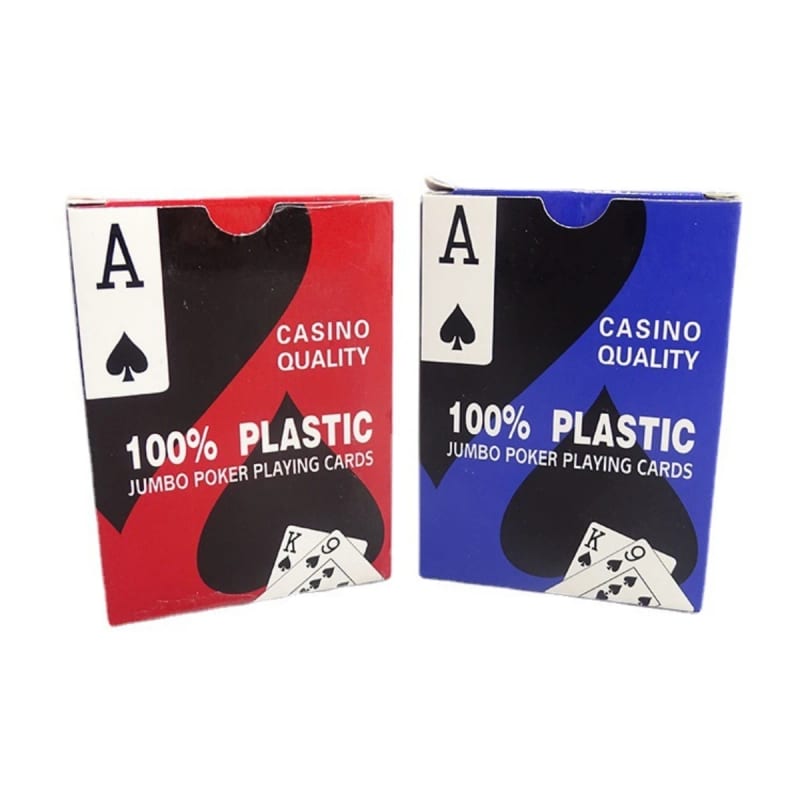
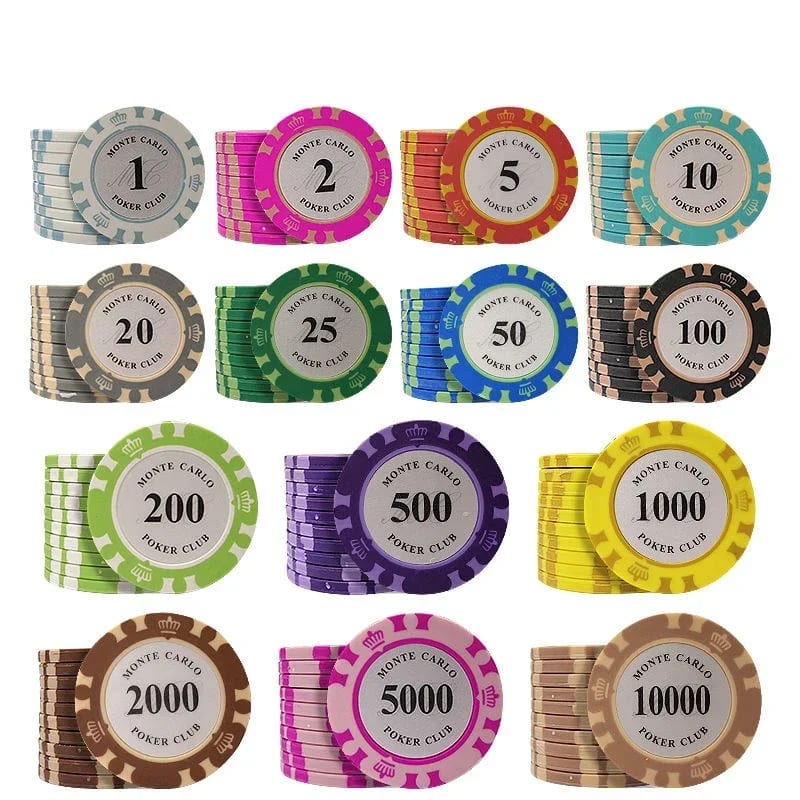
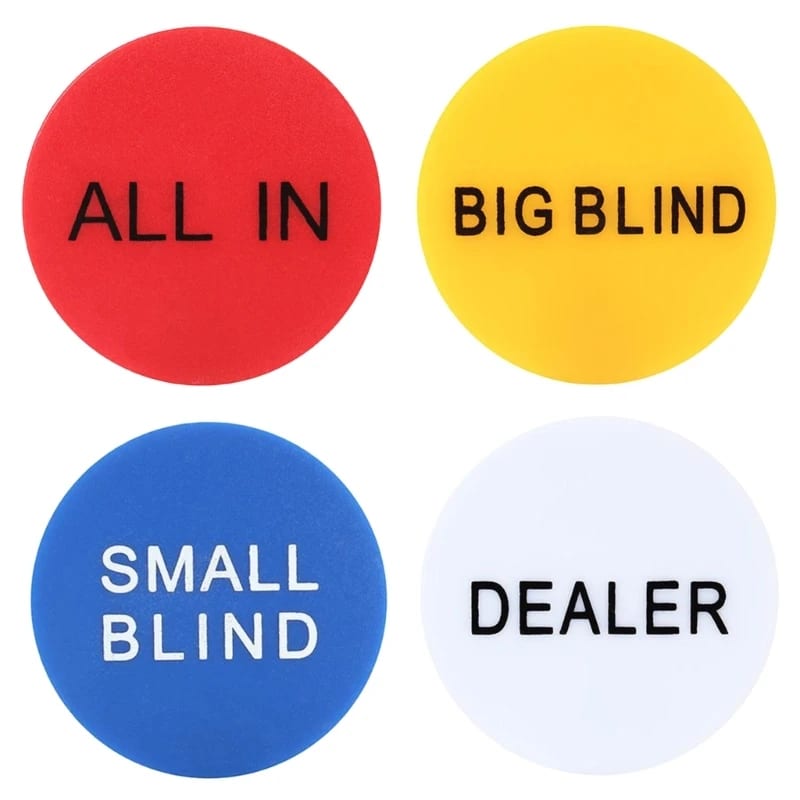
A heads up game needs very little: one deck, chips and a button. A dealer and blind button set settles who posts which blind, and an acrylic all-in button marks the big moments. A six-player poker table topper is more than enough room for two, and a jumbo index deck is easy to read when you peek at your hole cards. For the dealing itself, see how to deal poker.
Frequently asked questions
Who is the small blind in heads up poker?
The player with the dealer button. The other player posts the big blind.
Who acts first in heads up poker?
Before the flop, the button (small blind) acts first. After the flop, the big blind acts first and the button acts last.
Who gets the first card in heads up?
The big blind. The dealer deals the first card to the big blind, so the button receives the last card.
How do you play heads up poker?
Use normal Texas hold'em rules with the heads up blind order: the button posts the small blind and acts first pre-flop and last post-flop. Play more hands and more aggressively than at a full table.