Hazard Dice Game: Medieval Rules and the Ancestor of Craps
Nov 23, 2026 · The Editors
Hazard, the medieval dice game: how to play with two dice, the main and the chance, nicks and outs, its history from Chaucer to the gaming houses, and how it became craps.
Hazard is a gambling game played with two dice, popular in England and Europe from the Middle Ages to the 1800s, and the ancestor of craps. The thrower calls a number from 5 to 9, the "main", then rolls. Depending on the roll, they win at once, lose at once, or set a "chance" number that they must roll again before the main.
A short history
Hazard was already well known in the 14th century: Geoffrey Chaucer's Pardoner rails against "hasardrye" in The Canterbury Tales. The origin of the name is uncertain. One common suggestion links it to an Arabic word for dice, but this is not settled.
By the 17th and 18th centuries, hazard was the great game of London's gaming houses, and large fortunes were won and lost on it. In the early 19th century a simplified form travelled to New Orleans, where the main was fixed at 7. That simplified game became craps. See how to play craps at home for the modern descendant.
What you need
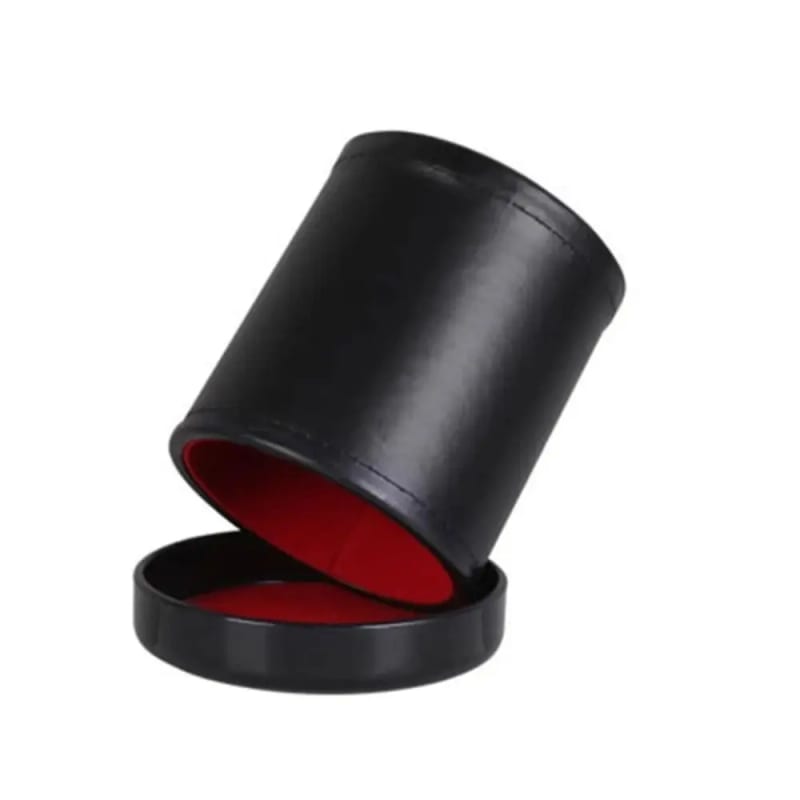
- Two six-sided dice, and traditionally a dice box or cup to throw them.
- Chips or counters.
- Two or more players. One player at a time is the caster (thrower).
How to play hazard
1. Call the main
The caster calls a main: any number from 5 to 9.
2. Throw
The caster throws both dice. The result is one of three things:
- Nick: the caster wins at once.
- Out: the caster loses at once.
- Chance: any other number becomes the caster's chance.
The nicks and outs depend on the main:
| Main called | Caster wins (nick) with | Caster loses (out) with |
|---|---|---|
| 5 | 5 | 2, 3, 11, 12 |
| 6 | 6, 12 | 2, 3, 11 |
| 7 | 7, 11 | 2, 3, 12 |
| 8 | 8, 12 | 2, 3, 11 |
| 9 | 9 | 2, 3, 11, 12 |
A roll of 2 or 3 always loses. Losing on 2 or 3 was called "throwing crabs", and that word is the likely root of the name craps.
3. Throw for the chance
If the first throw set a chance, the caster keeps throwing until either:
- the chance comes up: the caster wins, or
- the main comes up: the caster loses.
All other numbers are ignored.
4. Pass the dice
In most accounts, the caster keeps the dice while winning and passes them on after losing. Old rule books differ on the details, so agree yours before you start.
Betting
In the old gaming houses the caster played against another player, the setter, and onlookers bet on either side, with odds that depended on the main and the chance. At home, keep it simple: the caster and the setter stake equal amounts on each round, or play for points.
The odds come straight from the two-dice table: 7 is the most common total (6 ways out of 36), and 2 and 12 the rarest (1 way each). See the two dice probability chart.
Hazard and grand hazard
Grand hazard is a different game, played with three dice and a betting layout, and closer to the casino game of chuck-a-luck. If you are looking for the medieval two-dice game, it is the one above.
Playing hazard today
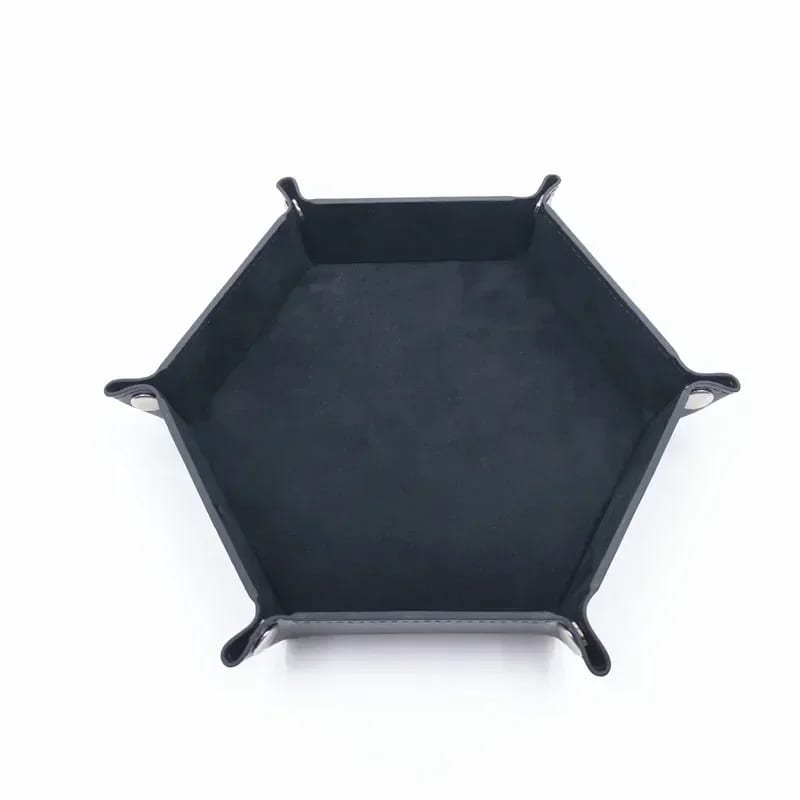
Hazard is a good game for anyone who enjoys craps or history. A leather dice cup with a lid recalls the old dice box, and a folding dice tray keeps the throws on the table. For more two-dice games, see dice games with two dice.
Frequently asked questions
What is the hazard dice game?
A medieval gambling game with two dice. The caster calls a main from 5 to 9, then throws to win, lose, or set a chance that must be thrown again before the main.
Is hazard the same as craps?
No, but it is its ancestor. Craps grew out of a simplified form of hazard in New Orleans in the early 19th century, with the main fixed at 7.
How do you win at hazard?
Throw a nick on the first roll, or set a chance and throw it again before you throw the main.
What is grand hazard?
A different game with three dice and a betting layout, closer to chuck-a-luck than to the medieval two-dice game.