Do Metal Dice Damage Tables? Scratches, Rolling and Dice Trays
Nov 23, 2026 · The Editors
Do metal dice damage tables and other dice? They can. Why, how to protect a table, whether metal dice roll well, and what a dice tray is for.

Yes, metal dice can damage tables. They are several times heavier than plastic or resin dice and their edges are hard, so a hard roll can dent soft wood, chip a varnished finish, scratch glass and chip other dice. The fix is simple: roll them into a dice tray or onto a cloth or mat.
Why metal dice are harder on tables
Most metal gaming dice are cast from zinc alloy, then plated or enamelled. A metal die is several times heavier than an acrylic die of the same size, and more weight plus a harder material means more force on landing.
| Surface | Risk from metal dice |
|---|---|
| Soft wood such as pine | Dents and dings, especially from corners |
| Varnished or lacquered wood | Chips and scratches in the finish |
| Glass | Scratches |
| Laminate | Light scratches; usually tough |
| Felt, leather or a neoprene mat | No damage |
Do metal dice scratch each other?
They can. Metal dice knocking together in a bag can scratch each other's plating and enamel colour. They are even harder on resin and acrylic dice, which can chip at the edges. Keep metal dice in their own case or a padded pouch, and roll them separately from softer dice.
Do metal dice roll well?
Metal dice roll shorter. Their weight means they bounce less and settle quickly, which many players like: no dice skittering off the table. They tumble less than light plastic dice, so give them a proper shake in the hand before releasing.
Are they fair? A well-made metal die is as fair as any mass-produced die. The usual home test for resin dice, floating them in salt water, does not work on metal, which sinks. Rolling a die many times and counting the results is the only practical check, and it needs a great many rolls to show anything.
Can metal dice be weighted?
Any die can be made unfair, and a metal one could in principle hide a weight. Ordinary metal dice sold for games are solid castings. If a die ever seems to favour a number, the simple answer is to retire it from the table.
What is a dice tray for?
A dice tray is a shallow, lined tray you roll into. It:
- Protects the table from metal dice.
- Keeps dice in one place, off the floor and away from miniatures, maps and cards.
- Quietens the roll, which matters at late-night games.
- Settles arguments: the tray is the rolling area, and a die that leaves it is rolled again.
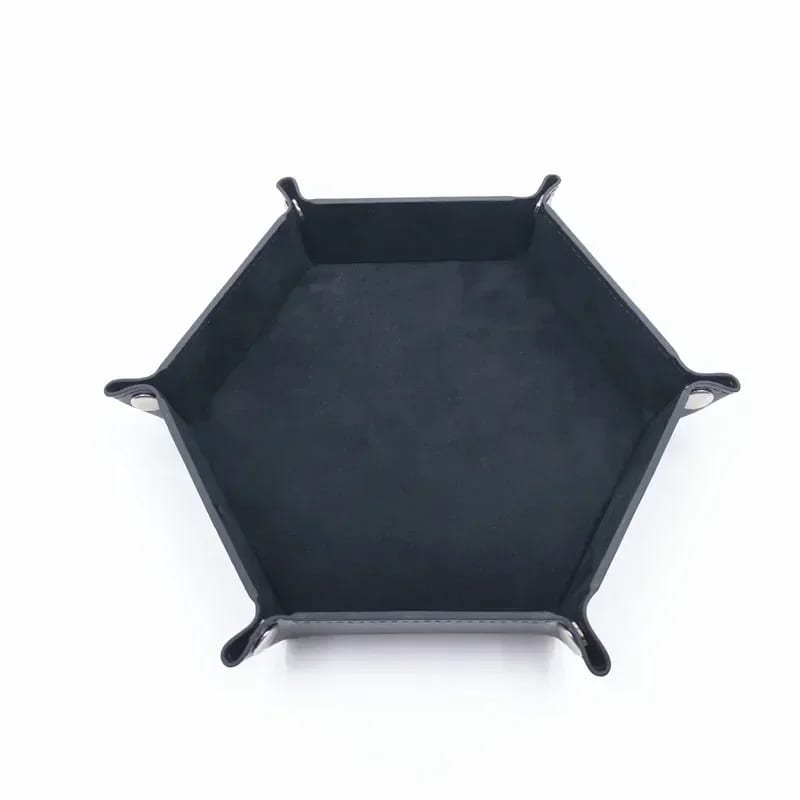
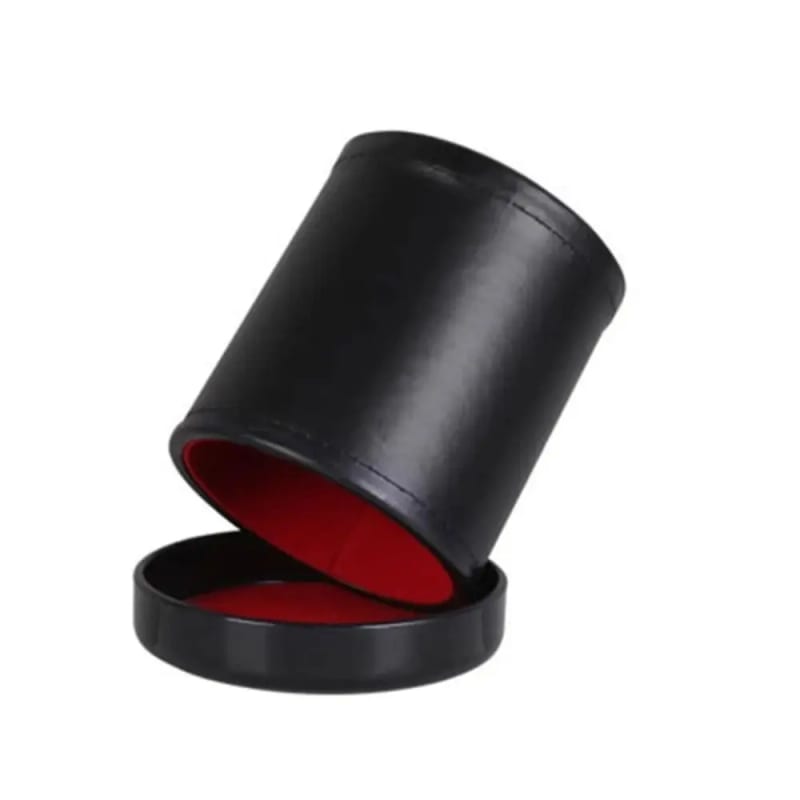
A folding tray packs flat between sessions. Our folding hexagon dice tray is lined and snaps together at the table. For games played with a shaker, a leather dice cup does the same job of keeping the roll contained.
Choosing metal dice
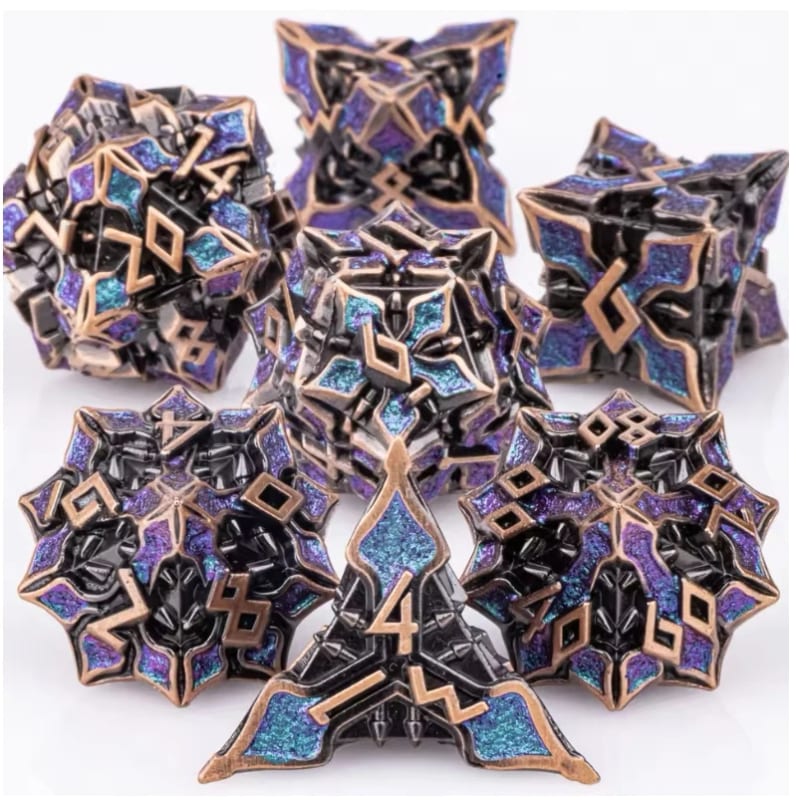
Metal dice are prized for their weight and look. Our vine-pattern metal dice and purple and teal metal set are full seven-die sets for tabletop role-playing games. If you are deciding between materials, see how to choose D&D dice, and for what each shape is for, RPG dice sets explained.
Frequently asked questions
Do metal dice damage wooden tables?
They can. Their weight and hard edges can dent soft wood and chip varnish. Roll them into a dice tray or onto a mat.
Do metal dice scratch each other?
Yes, they can scratch each other's plating and enamel, and chip softer resin dice. Store them in a padded case.
Do metal dice roll well?
They roll shorter and settle faster than plastic dice. Shake them well in the hand before rolling.
What is a dice tray used for?
Rolling dice into, so they stay in one place, make less noise and do not damage the table.