Bartolomeo Bosco
1793–1863 · Italy

Italian conjuror of the early nineteenth century, famous across Europe for the cups and balls. A veteran of Napoleon's Russian campaign, he became so well known that other performers borrowed his name.
From the shop
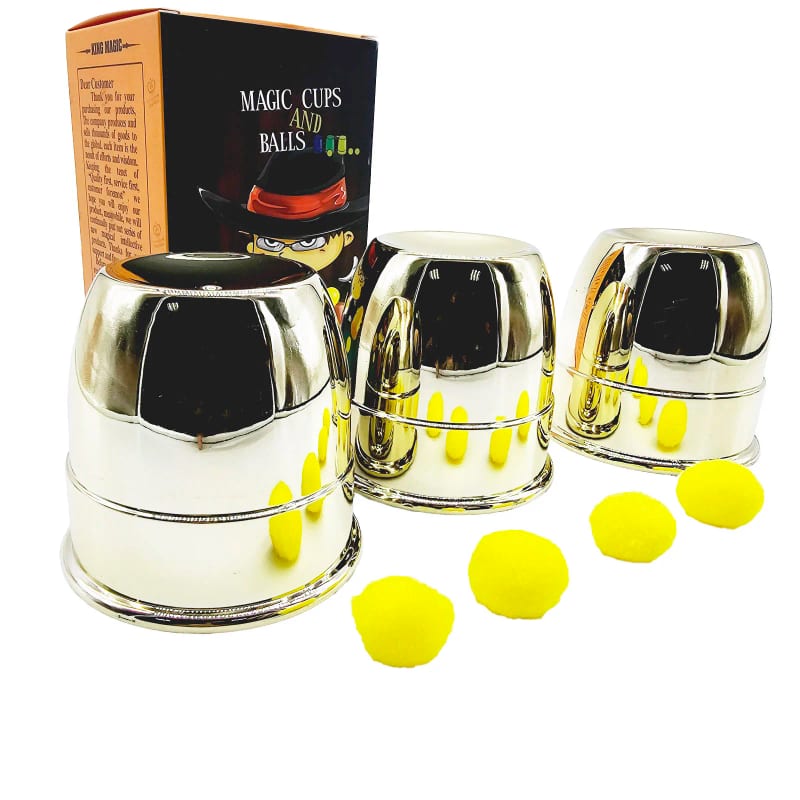




Bartolomeo Bosco (1793–1863) was an Italian conjuror who became one of the most famous magicians in Europe in the first half of the nineteenth century, above all for his mastery of the cups and balls. His name was so well known that it was borrowed by imitators and, in some languages, became a byword for a conjuror.
Life
Giovanni Bartolomeo Bosco was born in Turin in January 1793. As a young man he was drafted into Napoleon's army and took part in the invasion of Russia in 1812. He is said to have been wounded at the Battle of Borodino and taken prisoner, and accounts of his life say he entertained his captors and fellow prisoners with sleight of hand while held in Russia.
After his release he made magic his profession. Through the 1820s, 1830s and 1840s he toured widely in Europe, including the German states, Austria, Russia and France, performing in theatres and before royalty. In later life he settled in Saxony, and he died near Dresden in March 1863; some sources give 1862, and the exact day differs between records.
What audiences saw
Bosco performed at a table with a row of cups before him. Under his hands balls passed invisibly from cup to cup, multiplied, vanished and finally turned into larger objects, sometimes fruit or live animals. Contemporary writers praised the speed and polish of his work and his showmanship; the cups and balls, the oldest trick in the repertoire, was the centre of his act.
He also presented the larger apparatus pieces fashionable at the time, but it was the close, table-top magic that made his reputation.
Legacy
Bosco links the travelling conjurors of the eighteenth century, such as Giuseppe Pinetti, with the theatre magicians who followed, including Jean-Eugène Robert-Houdin. His fame lasted long after his death: several later performers worked under the name "Bosco", which caused confusion for historians.
Harry Houdini, a keen collector of magic history, visited Bosco's grave in Dresden in the early 1900s and was photographed there; the picture appeared in his 1908 book The Unmasking of Robert-Houdin. The gravestone is said to be decorated with a set of cups and balls.
Frequently asked questions
Who was Bartolomeo Bosco?
An Italian conjuror (1793–1863) who toured Europe in the early nineteenth century and was especially famous for the cups and balls.
Did Bosco fight for Napoleon?
Yes. He served in Napoleon's army during the 1812 invasion of Russia and is said to have been wounded and taken prisoner there.
Where is Bartolomeo Bosco buried?
In Dresden, Germany. Harry Houdini visited the grave in the early 1900s and published a photograph of himself beside it.
What trick was Bosco famous for?
The cups and balls, the ancient trick in which balls appear, vanish and travel between upturned cups.
Coming soon
Want to learn magic properly?
We're preparing lessons that teach classic tricks step by step, for members. Leave your email and we'll write once, when they open. Nothing else.