The Indian Basket Trick
19th century

A street illusion from India in which an assistant is placed in a wicker basket, the performer drives swords through it, and the assistant emerges unharmed. Western travellers wrote about it in the 19th century, and stage magicians adapted it.
From the shop
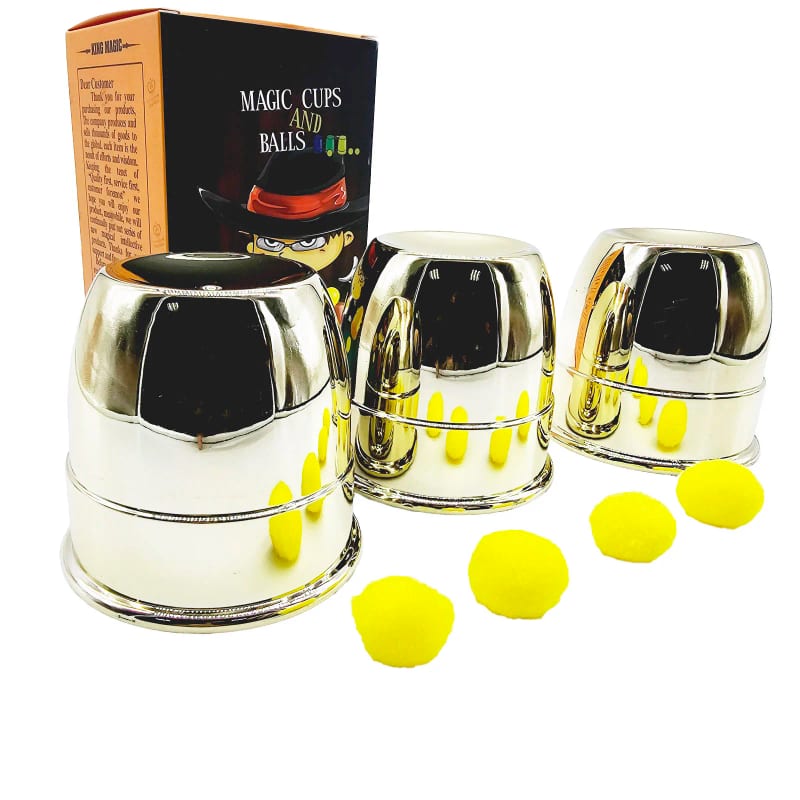
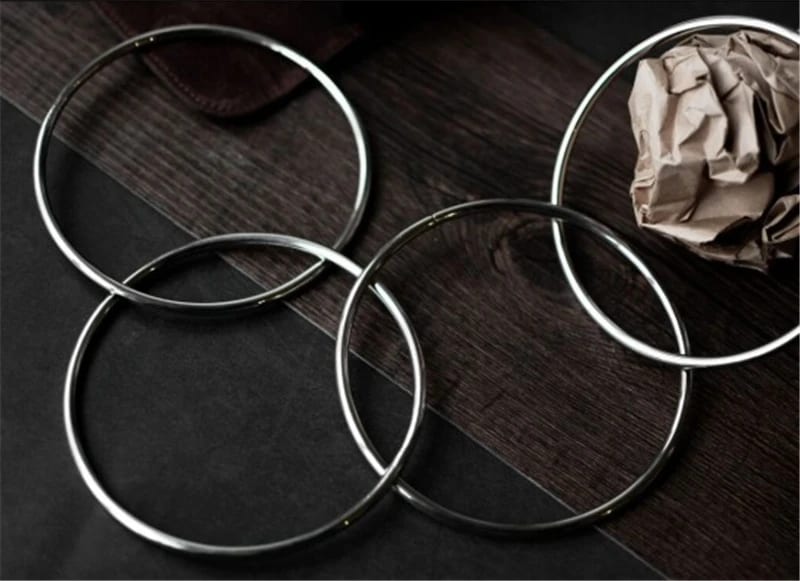


The Indian basket trick is a traditional street illusion from India. An assistant climbs into a wicker basket, the lid is closed, and the performer thrusts swords through the basket from every side until the assistant climbs out unharmed. Western travellers described it with astonishment in the nineteenth century, and stage magicians in Europe and America adapted it.
Origins
The basket trick belongs to the repertoire of the travelling performers of India, often called jugglers in old English accounts, who also performed the cups and balls, the mango tree trick and snake charming. When it began is not known. By the nineteenth century British visitors and residents in India were describing it in letters, memoirs and magazines as one of the wonders of the country, alongside the far less well documented Indian rope trick.
The historian John Zubrzycki, in his book Empire of Enchantment, traces how these accounts reached Western readers and how Indian street magic was borrowed, renamed and repackaged for Western stages.
What the audience saw
The performance took place outdoors, with a small crowd standing round. A basket with a lid, big enough for a small person, was shown and set on the ground. An assistant got inside and the lid was closed and sometimes tied. The performer then took up a sword and drove it through the wicker, again and again, from different angles. The drama of the moment, with the performer seeming angry and the onlookers alarmed, was part of the show. Then the lid came off and the assistant was back, alive and unhurt.
How it was done is the performers' secret.
On Western stages
Western conjurors took the trick up in the nineteenth century. The London magician known as Colonel Stodare is usually credited with presenting an Indian basket illusion at the Egyptian Hall in 1865, years before John Nevil Maskelyne made that building England's Home of Mystery. In later stage versions the basket was often replaced by a box, and the plot of swords passing through a container holding a person became a standard of grand illusion.
Why it endures
The basket trick is a pure penetration plot with danger in the air: the audience sees blades go where a person must be. The same tension powers later illusions such as sawing a woman in half. It also sits at the heart of the story of how Indian street magic shaped the Western idea of the exotic magician.
Frequently asked questions
What is the Indian basket trick?
A street illusion from India in which a person is shut in a wicker basket, swords are thrust through it, and the person emerges unharmed.
Is the Indian basket trick real?
It is a real illusion, not a real injury. No one is harmed; how it is done is the performers' secret.
Who brought the basket trick to Western stages?
Several nineteenth-century conjurors adapted it. Colonel Stodare is usually credited with presenting it at London's Egyptian Hall in 1865.
Coming soon
Want to learn magic properly?
We're preparing lessons that teach classic tricks step by step, for members. Leave your email and we'll write once, when they open. Nothing else.