How to Use an Infinity Cube (and Put It Back Together)
Nov 5, 2026 · The Editors
What an infinity cube is, how to flip it, a few simple tricks, how to get it back into a cube when it looks wrong, and why a metal one is worth having.
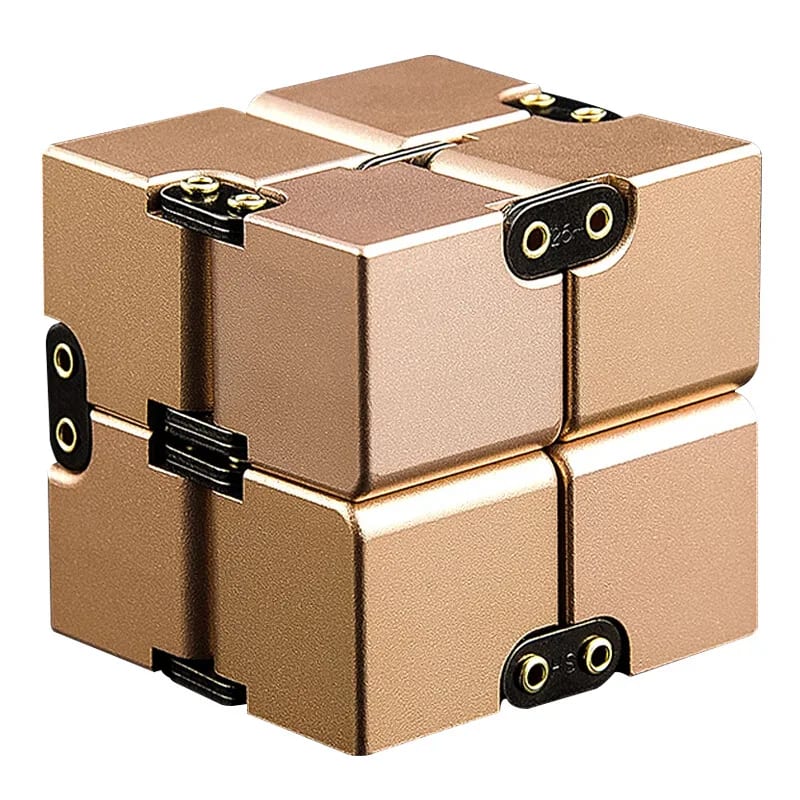
An infinity cube is eight small cubes joined by hinges into one larger cube. Fold it in half and it opens into a new shape; fold that in half and it becomes a cube again — and it goes on doing that, in your hand, for as long as you like. There is no solution and no last move. That is the whole idea.
How an infinity cube works
Picture the cube as two halves side by side. The hinges are placed so that each half can swing open from the middle, turning the cube into a long block, which can then be folded back the other way into a cube again. Because the hinges alternate direction, there is always another fold available.
The basic flip
- Hold the cube in one hand, thumb on top and fingers underneath.
- With your other hand — or your thumb, once you are used to it — open the cube down the middle, as if opening a book. It becomes a block two cubes long.
- Fold the two ends of that block together. It becomes a cube again, turned through ninety degrees.
- Repeat. Each flip shows a different face.
Within a few minutes most people can do it one-handed, without looking.
Simple infinity cube tricks
- The one-handed loop. Flip continuously with a single hand, letting your thumb and middle finger do the opening and closing.
- The flat lay. Open the cube out and lay it on a table as a flat rectangle, then fold it back up from the table.
- The reverse. Flip in the opposite direction, which feels completely different under the fingers even though the cube is the same.
How to put an infinity cube back together
If an infinity cube looks wrong — a strange L-shape or a staircase rather than a block — it is not broken, it is just mid-fold. Fold any two cube-halves that are lying open flat against each other, and keep doing so; within two or three folds it will close up into a cube again. Never force a hinge the way it does not want to go.
A metal infinity cube with pinned hinges does not come apart in normal use. If a hinge does ever fail, it is time for a new cube; prising pins back in tends to make them rattle.
Metal or plastic?
Plastic infinity cubes are light and cheap, which is the problem: they feel like a toy and wear loose. An aluminium one has weight and a crisp, quiet action, so it feels like an object rather than a novelty — which is what you want on a desk. Ours is aluminium in a gold finish, about 4 cm a side.
Why people keep one on the desk
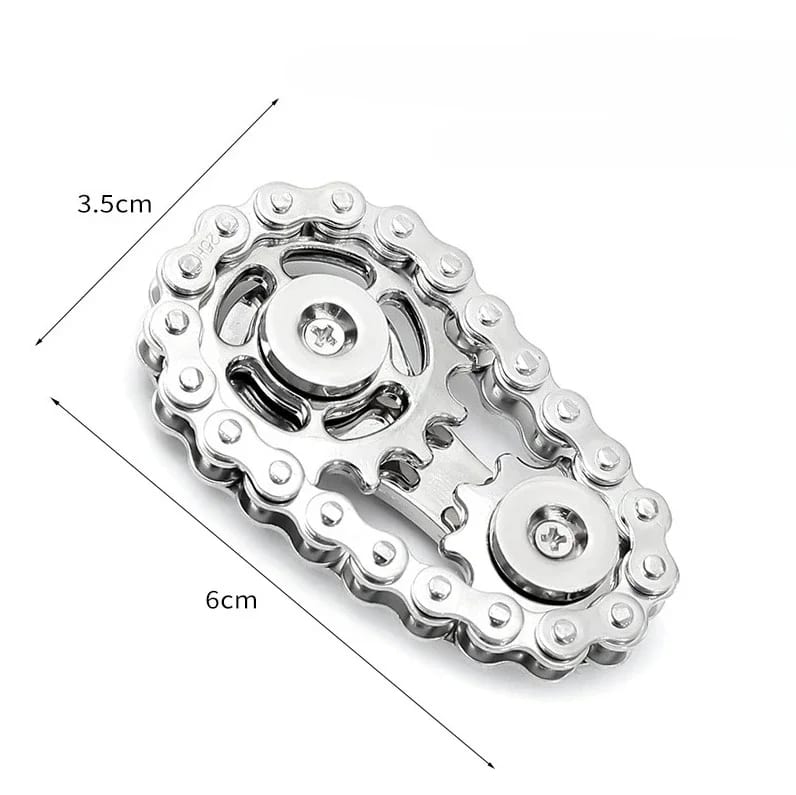
It is the fidget for meetings and phone calls: silent, small enough to hide in one hand, and endless, so there is never a moment where you have "finished" it. It sits beside our other metal desk toys — sliders, flip fidgets and gear spinners — for anyone who thinks better with something to do with their hands.