How to Play Rummy: Rules for 2, 3 and 4 Players
Nov 7, 2026 · The Editors
How to play rummy, the card game: how many cards to deal for 2 or 4 players, sets and runs, a turn step by step, laying off, going out, and how to score.
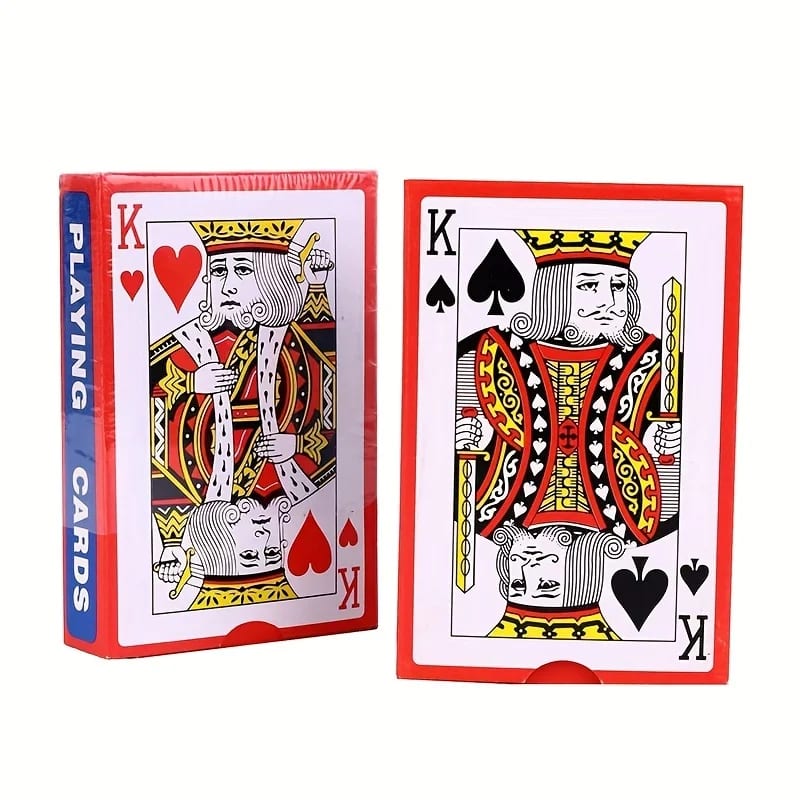
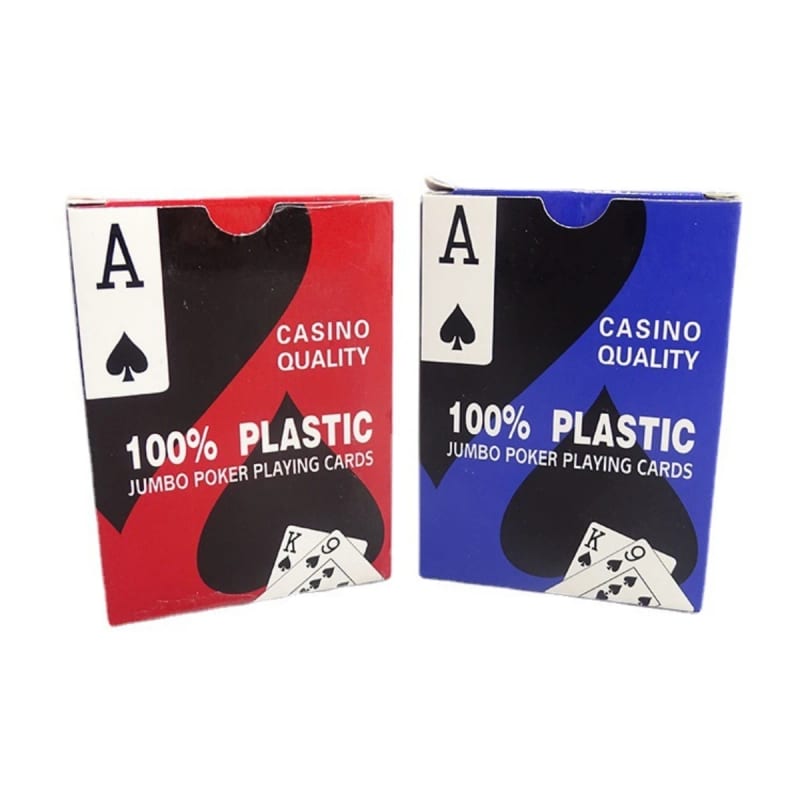
Rummy is the family of games behind gin, canasta and a dozen others, and plain rummy is the place to start. One standard 52-card deck, two to six players, and a goal that is simple to say: get rid of every card in your hand.
The deal
Choose a dealer, shuffle, and deal one at a time:
- 2 players: 10 cards each.
- 3 or 4 players: 7 cards each.
- 5 or 6 players: 6 cards each.
Put the rest face down as the stock, and turn the top card face up beside it to start the discard pile.
Melds: sets and runs
You score by laying down melds in front of you:
- A set is three or four cards of the same rank — three 9s, four Kings.
- A run is three or more cards in sequence, all of one suit — 4, 5, 6 of hearts.
Aces are usually low (A-2-3), and in most rules a run cannot wrap round from King to Ace to 2. Some families play the Ace high as well; agree before you deal.
A turn, step by step
The player left of the dealer goes first. On your turn:
- Draw one card — either the top card of the stock, or the top card of the discard pile.
- Meld, if you can and want to: lay down any sets or runs from your hand.
- Lay off, if you can: add cards to melds already on the table — yours or anyone else's. A fourth 9 can go on someone's three 9s; the 7 of hearts can extend a 4-5-6 of hearts.
- Discard one card face up onto the discard pile.
If the stock runs out before anyone goes out, turn the discard pile over (without shuffling) to make a new stock.
Going out
The hand ends when one player gets rid of their last card, whether by melding, laying off or discarding. In most rules your final card may be a discard.
Going out all in one turn, with nothing melded before, is called going rummy — many players double the score for it.
Scoring
The winner of the hand scores the value of the cards left in everyone else's hands:
- Face cards (K, Q, J): 10 points
- Aces: 1 point
- Number cards: face value
Play to an agreed total — 100 or 250 are common — or keep a running score across the evening.
Tips
- Watch the discard pile. If the player to your left keeps picking up hearts, don't feed them hearts.
- Meld early with more players, before someone goes out and leaves you holding points. With two players, holding cards back can pay off.
- Get rid of high cards you cannot use; a stray King costs 10 points if the hand ends.
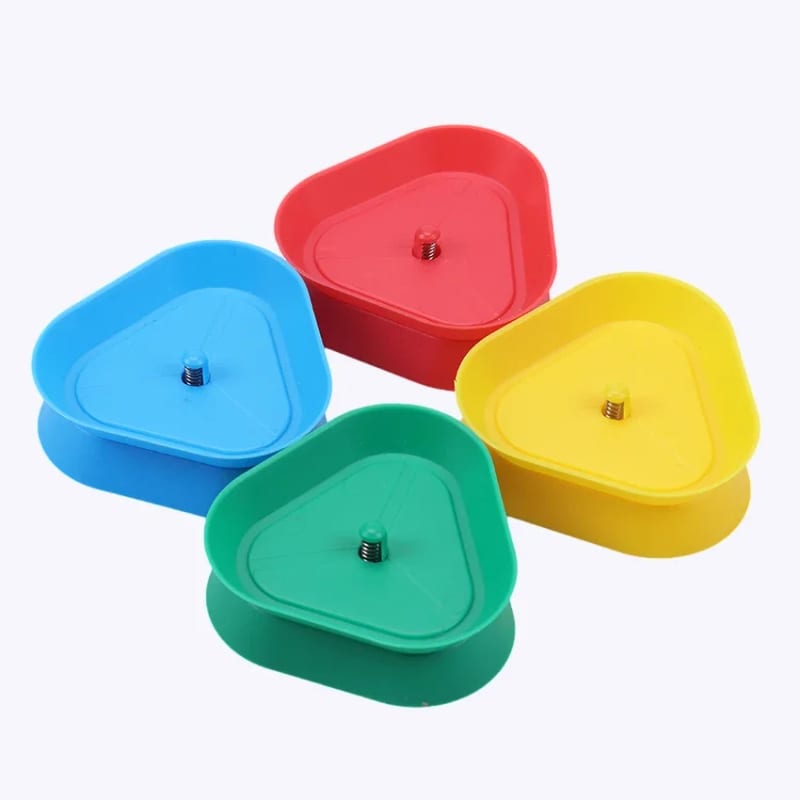
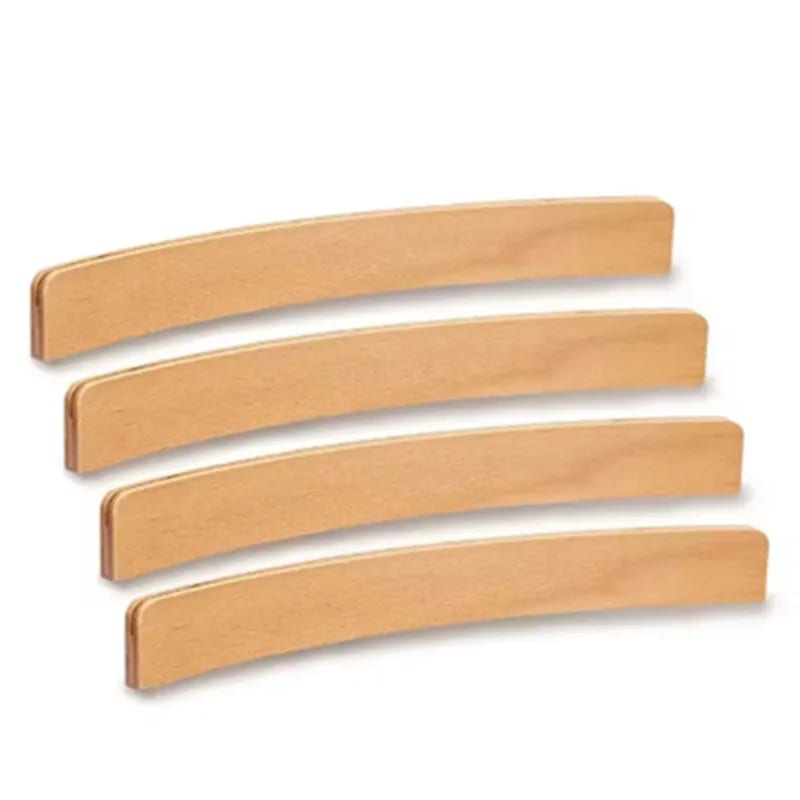
Holding ten cards for a long game is tiring, especially for older hands. A card holder on the table keeps the whole hand visible and leaves both hands free to draw and discard.