How to Play Pinochle: Rules for 4 Players (and 2 or 3)
Nov 9, 2026 · The Editors
How to play pinochle step by step: the 48-card deck, bidding, meld values, trick-taking rules and scoring for four players in partnerships, with notes on playing with 2 or 3 players.
Pinochle is a bidding and trick-taking game played with a doubled deck. It looks complicated for the first two hands and then settles into one of the most satisfying partnership games there is. This page covers the most common version — four players in two partnerships — and then the changes for two and three.
The pinochle deck
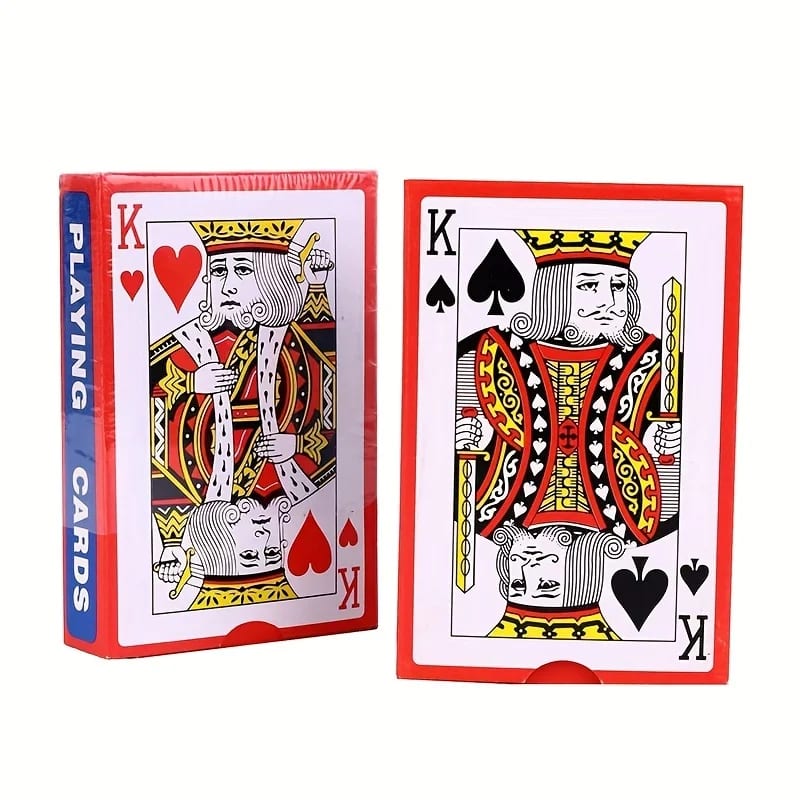
A pinochle deck has 48 cards: two copies each of the 9, 10, Jack, Queen, King and Ace in all four suits. You can buy one ready-made, or build one from two identical standard decks by removing everything from 2 to 8.
The cards rank, highest first: Ace, 10, King, Queen, Jack, 9. The 10 outranks the King — the one thing every new player forgets.
The deal and the bid
Partners sit opposite. Deal all 48 cards, so each player holds 12.
Starting left of the dealer, each player bids or passes. A bid is the number of points your partnership promises to score this hand, from meld and tricks together. The minimum opening bid is a house rule, so settle it before the first deal (older scoring systems use bids in the hundreds). Once you pass, you are out of the bidding. The highest bidder names trump.
Many tables then let the bidder's partner pass a few cards to the bidder, and the bidder passes the same number back. Agree this before you start.
Meld: the points in your hand
After trump is named, everyone lays their meld face up so it can be scored, then picks it back up. A card can count in two melds of different kinds (the Queen of Spades can be in a marriage and a pinochle), but not twice in the same kind.
| Meld | Cards | Points |
|---|---|---|
| Run | A-10-K-Q-J of trump | 15 |
| Royal marriage | K-Q of trump | 4 |
| Marriage | K-Q of another suit | 2 |
| Pinochle | Q of spades + J of diamonds | 4 |
| Double pinochle | both of each | 30 |
| Dix | 9 of trump | 1 |
| Aces around | an Ace of each suit | 10 |
| Kings around | a King of each suit | 8 |
| Queens around | a Queen of each suit | 6 |
| Jacks around | a Jack of each suit | 4 |
Doubled "arounds" (all eight Aces, for instance) score far more — commonly 100 for Aces — but families disagree on the exact figures, so write your table's values on the score sheet.
Playing the tricks
The bidder leads. Then:
- Follow suit if you can, and beat the highest card in the trick if you can.
- If you cannot follow suit, you must trump, and over-trump if someone already has.
- Only if you can do neither may you throw any card.
- If two identical cards are played, the one played first wins.
The winner of each trick leads the next.
Scoring a hand
Aces, 10s and Kings are counters, worth 1 point each; Queens, Jacks and 9s are worth nothing. The last trick earns 1 more, so there are 25 points in the tricks each hand.
The bidding side adds its meld to its counters. If the total reaches the bid, it scores everything. If not, it is set: the bid is subtracted from its score. A partnership that wins no tricks at all usually cannot keep its meld either. The other side always scores what it made. A game is often played to 150.
Pinochle with 2 players or 3 players
Two players: deal 12 each and stack the rest as a stock with one card turned for trump. Each time you win a trick you may lay one meld, then both players draw from the stock. When the stock runs out, meld is picked up and the last 12 tricks are played under the strict follow-and-beat rules above.
Three players: each plays alone. Deal 15 each and 3 to a widow; the high bidder takes the widow, discards three, names trump and plays against the other two together.
Tips for the table
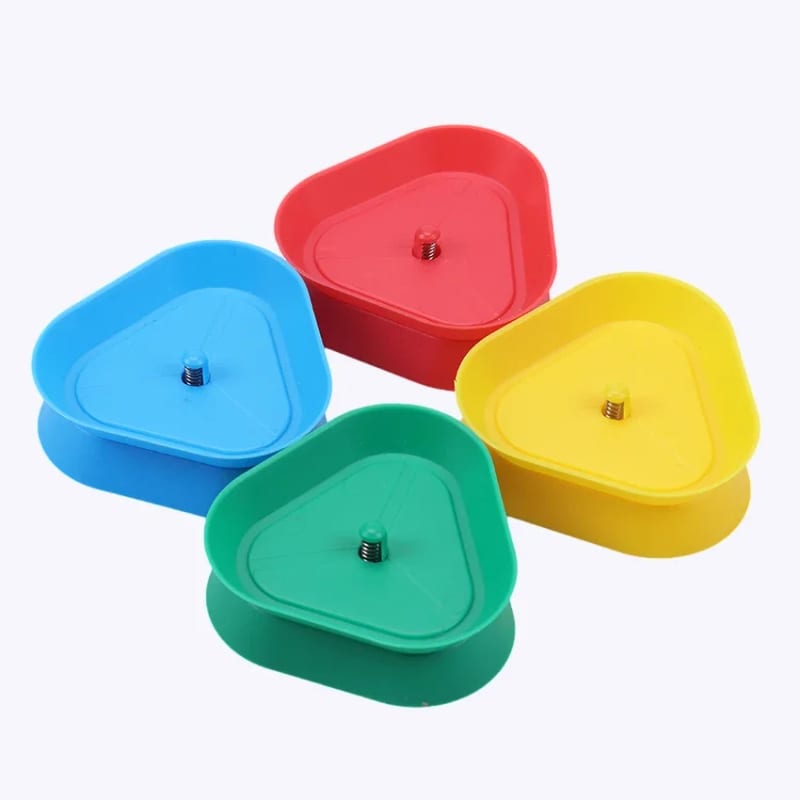
Twelve cards is a big hand to hold for an hour. A set of card holders stands every hand up on the table, which helps tired hands and makes sorting meld far easier. If pinochle is new to your group, start with euchre — the bidding and trump ideas carry straight over — or try spades for a simpler partnership game.
Mentioned above