How to Play Blackjack at Home, Step by Step
Nov 7, 2026 · The Editors
How to play blackjack at home with friends: card values, the deal, hit and stand, doubling, splitting, the dealer's rules, payouts, and how to play without a fixed dealer.
Blackjack is the easiest casino game to bring home: one or two decks, a pile of chips and a few minutes of explanation. Each player plays against the dealer, not against each other, which makes it friendly for mixed tables.
What you need
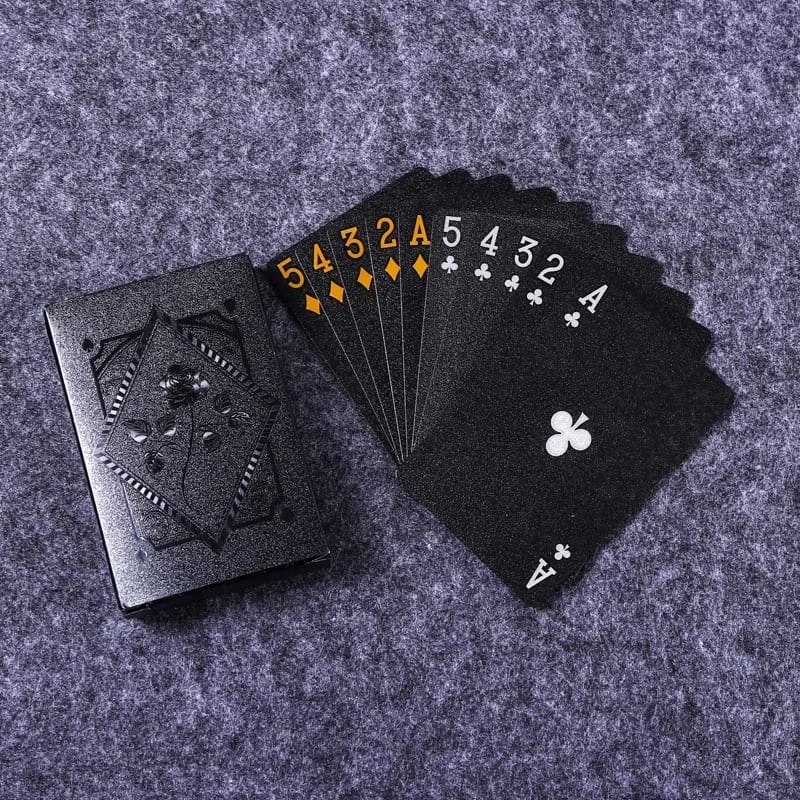
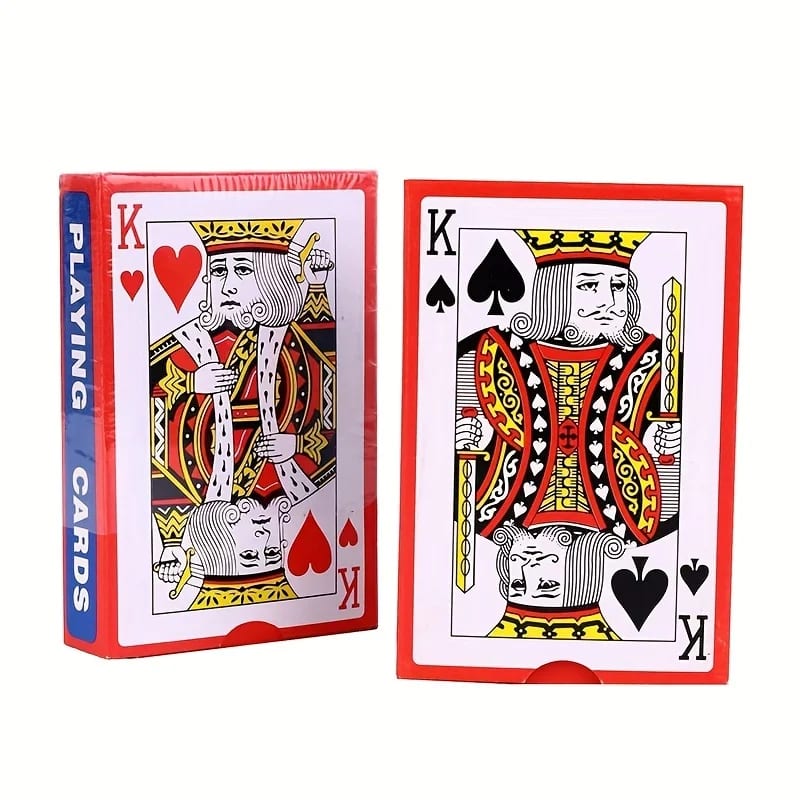
- One or two standard decks, shuffled together. Plastic cards stand up best to the handling.
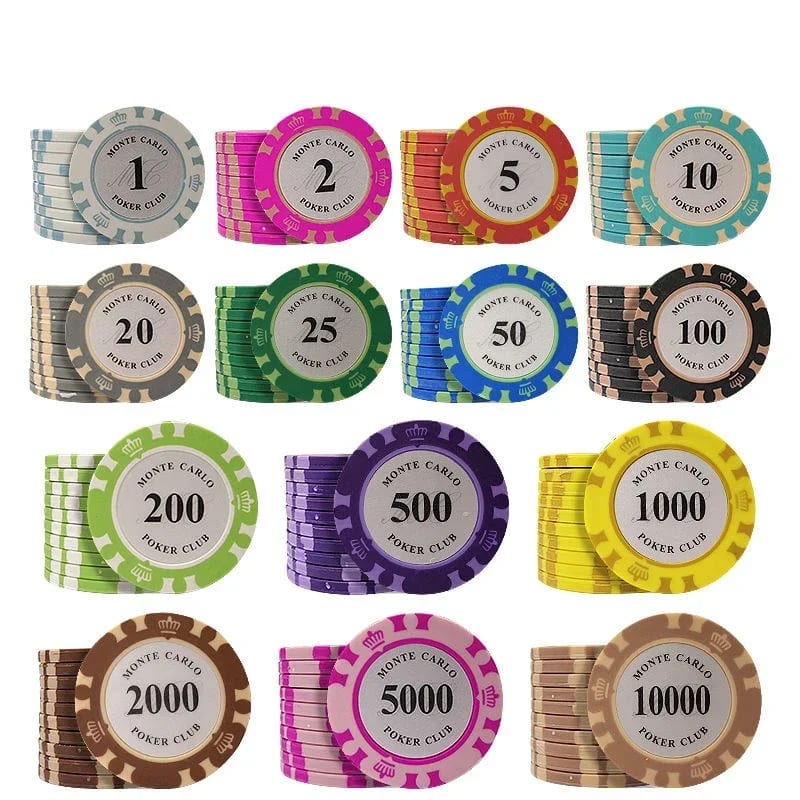
- Chips — or counters, matches, anything — so everyone can bet.
- A table with room for each player's cards in front of them.
Card values
- 2 to 10: face value.
- J, Q, K: 10.
- Ace: 1 or 11, whichever helps the hand.
A hand with an Ace counted as 11 is called soft: Ace-6 is a soft 17.
The deal, step by step
- Each player puts out a bet.
- The dealer gives everyone, themselves included, two cards. Players' cards are usually face up. The dealer has one face up and one face down.
- A player dealt an Ace and a 10-value card has blackjack — a natural — and is paid at once unless the dealer also has one.
The players' turns
Going round the table, each player chooses:
- Hit: take another card. Keep hitting as long as you like.
- Stand: keep your total.
- Double down: double your bet, take exactly one more card, and stand.
- Split: with a pair, put out a second bet and play the two cards as separate hands.
Go over 21 and you bust: you lose your bet straight away, whatever the dealer does.
The dealer's turn
The dealer turns up their hidden card and plays by a fixed rule — no choices:
- Hit on 16 or less.
- Stand on 17 or more. (Some tables have the dealer hit a soft 17; agree in advance.)
Paying out
- Dealer busts: every player still in wins.
- Otherwise: a player closer to 21 than the dealer wins; a lower total loses.
- Ties are a push — the bet is returned.
- Winning bets pay 1 to 1. A blackjack pays 3 to 2.
Playing without a fixed dealer
At home, nobody wants to be the house all night. The usual fix is to rotate the deal: each player deals and acts as the bank for a set number of hands — five, say — then passes the deck to the left. Over an evening the house edge comes out roughly even.
Basic tips
- Stand on 17 or more.
- Hit on 11 or less — you cannot bust.
- Against a dealer showing 7 or higher, keep hitting a hard 12–16.
- Always split Aces and 8s; never split 10s.
Playing for money
Many home groups play for chips that are worth nothing. If your group plays for money, check your state's rules on social gaming first — they differ widely. Real clay chips give a home table the right sound and weight either way.
Mentioned above