Hand and Foot Card Game Rules: How to Play and Score
Nov 11, 2026 · The Editors
Hand and foot card game rules for 4 players (and 2, 3 or 6): how many decks, dealing the hand and the foot, melds and books, wild cards, red and black threes, going out and scoring.
Hand and foot is a rummy game in the canasta family, usually played by four people in two partnerships. Each player is dealt two sets of cards — the hand, which you play first, and the foot, which you pick up when the hand is used up — and partners race to build books of seven cards of the same rank. It is a folk game with many house rules, so the version below is the most common one; agree yours before the deal.
What you need
- Players: 4 in partnerships is standard. It also works for 2, 3 (each for themselves) or 6 (three teams of two).
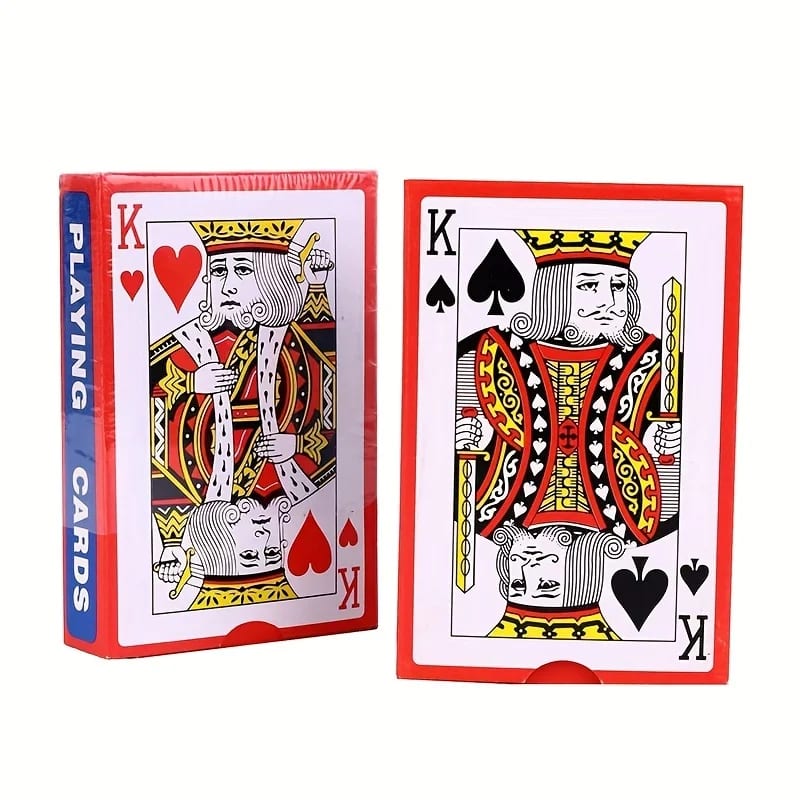
- Decks: one more deck than there are players, with jokers. Four players use five decks — 270 cards.
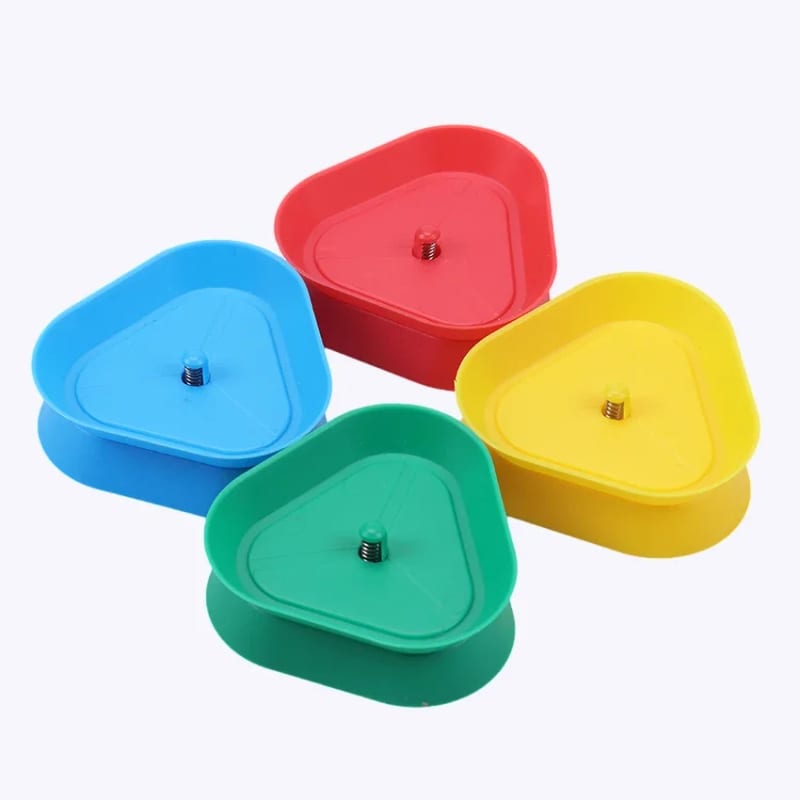
- A score sheet, and something to hold a big hand. Card holders help a lot in this game.
The deal: the hand and the foot
Each player is dealt two piles of 11 cards (some groups use 13). The first pile you pick up is your hand; the second stays face down in front of you as your foot. The rest of the cards form the stock, and one card is turned face up to start the discard pile.
Card values and wild cards
| Card | Points |
|---|---|
| Joker | 50 |
| 2 (wild) | 20 |
| Ace | 20 |
| K, Q, J, 10, 9, 8 | 10 |
| 7, 6, 5, 4 | 5 |
| Black 3 | 5 |
| Red 3 | penalty (see below) |
Jokers and twos are wild. A meld must contain more natural cards than wild cards in most games, and a meld of only wild cards is usually not allowed.
Red threes are not played into melds. In the most common rule, each red three left in your hand or foot at the end of a round costs 500 points. Black threes can only be melded as you go out.
How a turn works
- Draw two cards from the stock. (Many groups allow you to take the top discard instead, together with the top few cards, if you can use it in a meld at once.)
- Meld if you can: lay down groups of three or more cards of the same rank. Partners share their melds — you may add to your partner's.
- Discard one card.
The opening meld
Each partnership's first meld of a round must reach a minimum point total. A common scale rises each round:
| Round | Minimum opening meld |
|---|---|
| 1 | 50 points |
| 2 | 90 points |
| 3 | 120 points |
| 4 | 150 points |
Books: clean and dirty
A meld becomes a book when it reaches seven cards. Books are stacked and marked:
- Clean (natural) book — no wild cards. Usually worth 500 points; mark it with a red card on top.
- Dirty (mixed) book — includes wild cards. Usually worth 300 points; mark it with a black card on top.
Going out and scoring
When you play the last card of your hand, pick up your foot and keep playing. To go out, a partnership usually needs a set number of books — often two clean and two dirty — and the player going out must ask their partner's permission in many games.
At the end of the round each side scores: book bonuses, plus the value of every card in their melds, plus 100 for going out, minus the value of every card still in their hand or foot. The game is played over four rounds, and the higher total wins.
Tips for beginners
- Play your hand quickly. The foot is where the game turns, and you cannot reach it until the hand is gone.
- Save wild cards to finish books, not to start melds.
- Watch the discard pile — giving away a card your opponents are collecting can hand them a book.
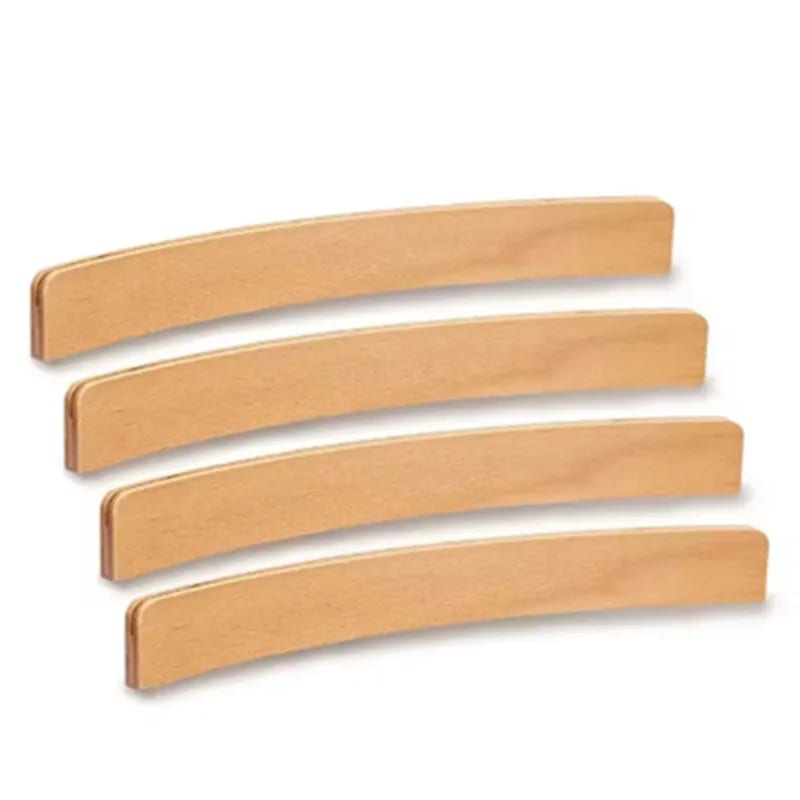
Hand and foot is close to canasta, so if you know one you can learn the other in a hand or two. A set of curved wooden card holders keeps a 22-card hand off the table and out of sight.
Frequently asked questions
How many decks do you need for hand and foot?
Use one more deck than there are players, with the jokers left in. Four players need five decks.
How many cards are in the hand and the foot?
Most groups deal 11 cards to each, though some deal 13. House rules vary, so agree before you start.
What are red threes worth in hand and foot?
In the most common rules, a red three left in your hand or foot at the end of a round costs 500 points. Some groups score them as a bonus instead.
How many books do you need to go out?
A common rule is two clean books and two dirty books, though some tables require more.