Clay vs Ceramic Poker Chips: Which Should You Buy?
Nov 4, 2026 · The Editors
Clay, ceramic and plastic poker chips compared — weight, feel, sound and printing — and how many chips a home game actually needs.
Poker chips look alike in a photo and feel completely different in the hand. The material decides how they stack, how they riffle, what they sound like when they hit the pile — and how much the set costs.
Clay chips
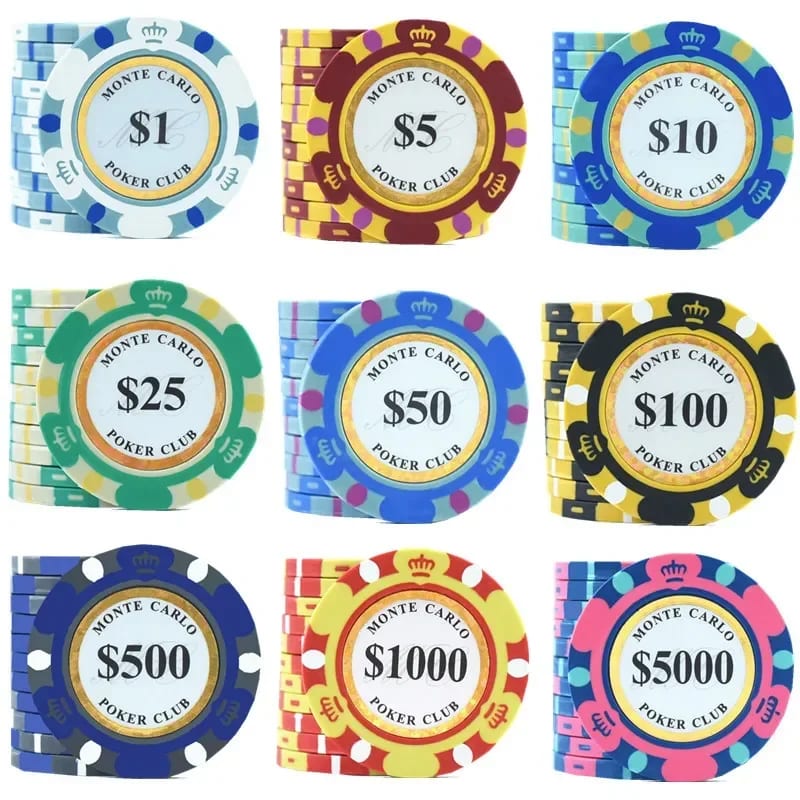
Most chips sold as "clay" today are clay composite: clay blended with other materials and pressed around a metal insert, usually weighing around 13 to 14 grams.
- Feel: heavy and slightly textured, with an edge that grips. They are the easiest chips to stack and riffle.
- Sound: the low, satisfying click of a casino table.
- Look: designs are moulded or inlaid rather than printed, so they stay sharp.
Real casino chips are clay-based, which is why clay is what players mean when they say a set "feels real".
Ceramic chips
Ceramic chips are smoother and usually a little lighter, around 10 grams.
- Feel: slick and even. Some players love it; others find they slide.
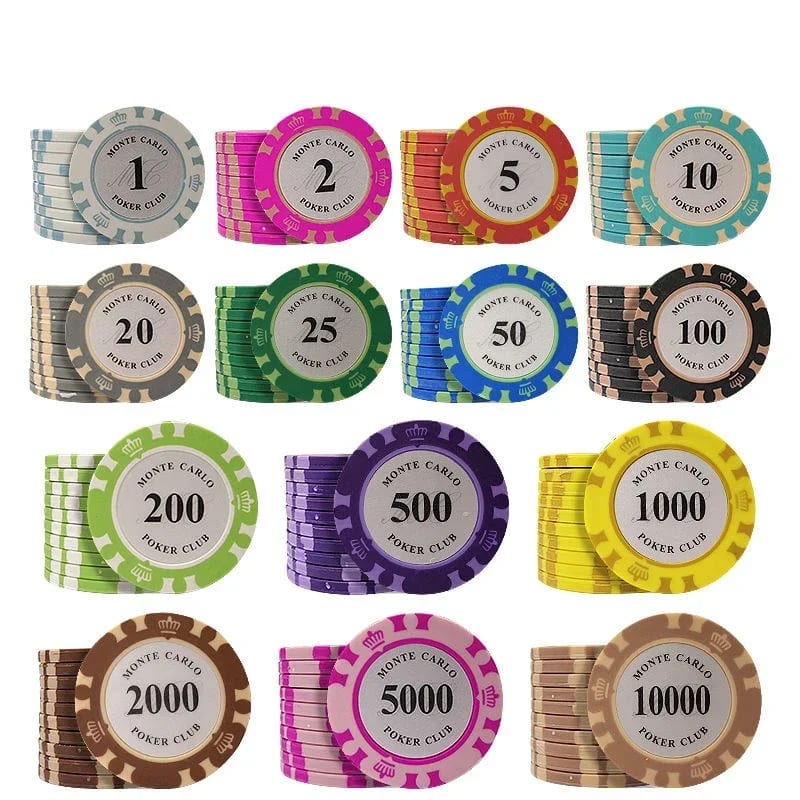
- Printing: the whole face can be printed edge to edge, so ceramic chips carry custom designs and clear denominations.
- Durability: very good. The print does not wear off.
Ceramic suits players who want chips with values printed on them, or a custom-designed set.
Plastic chips
The cheapest kind — ABS plastic, often 4 to 11 grams, sometimes with a metal slug inside to add weight.
- Light, they skitter rather than settle, and they sound hollow.
- Fine for a first set or a casual game; disappointing for a regular poker night.
Clay vs ceramic in one line
Clay for feel and sound; ceramic for printing and durability. Both are a world away from plastic.
How many chips does a home game need?
A full set for a home game is usually 300 to 500 chips:
- 300 covers a game of up to six players.
- 500 covers eight to ten, or a tournament.
Plan four or five colours, one per denomination, with most of the chips in the two smallest values.
Topping up a set
Chips get lost, and a set often runs short of one colour. Buying a ten-piece set of heavy chips is the way to top up a denomination, add a few high-value chips to an existing set, or simply keep a single heavy chip to use as a card guard on your hole cards. A ten-chip set is not a full game on its own — for that you need a few hundred.
What else a home game needs
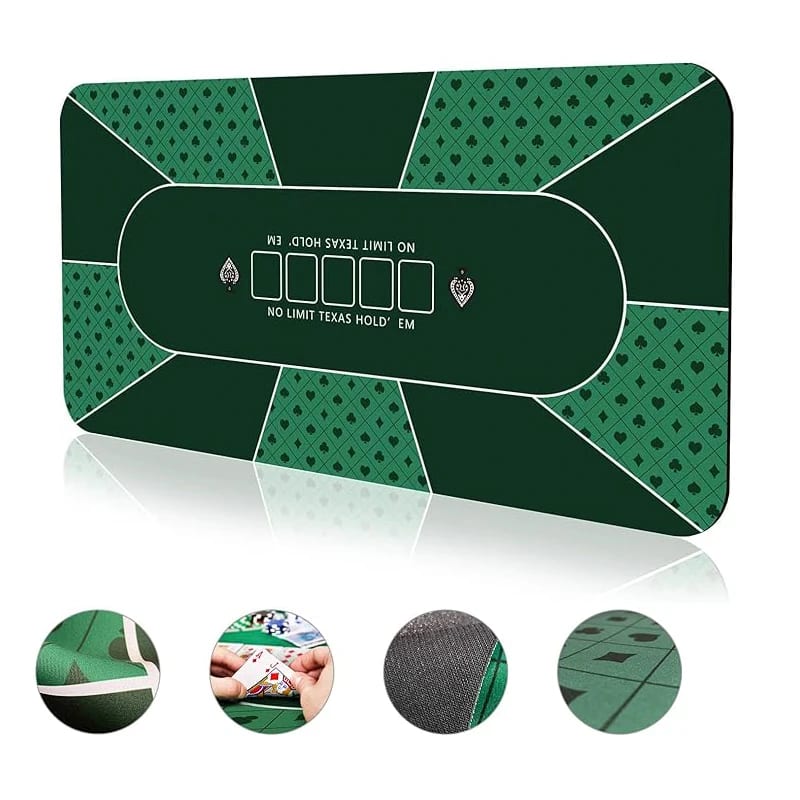
A felt table topper, a dealer button, and a plastic deck of cards will do more for a home game than any chip upgrade. Get those right first.