Isaac Fawkes
c. 1675–1732 · England

A London showman who worked the fairs, including Bartholomew Fair, and advertised widely. One of the first conjurors known to have grown rich from performing.
From the shop
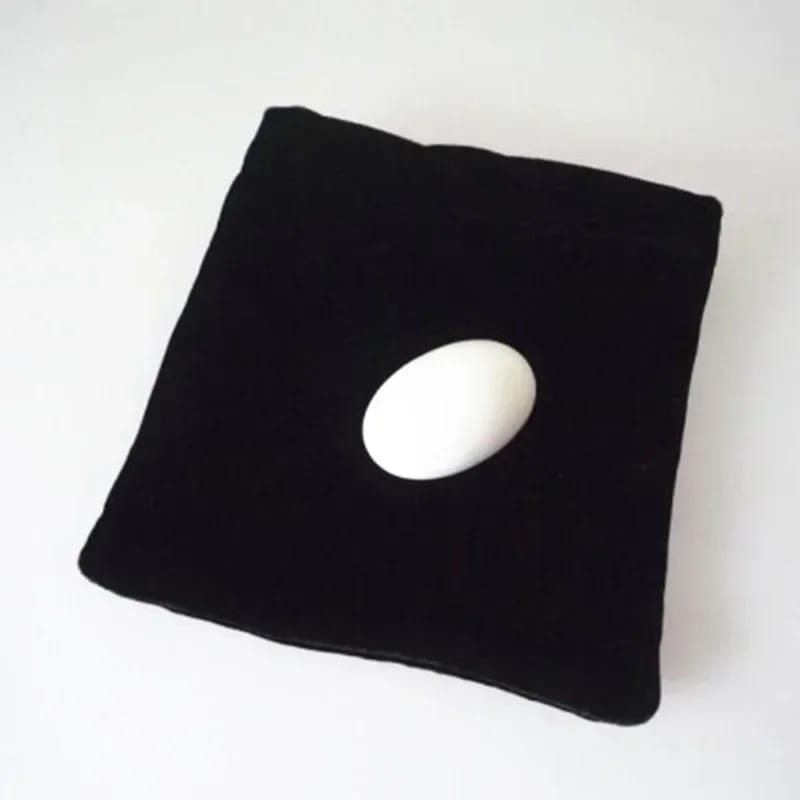
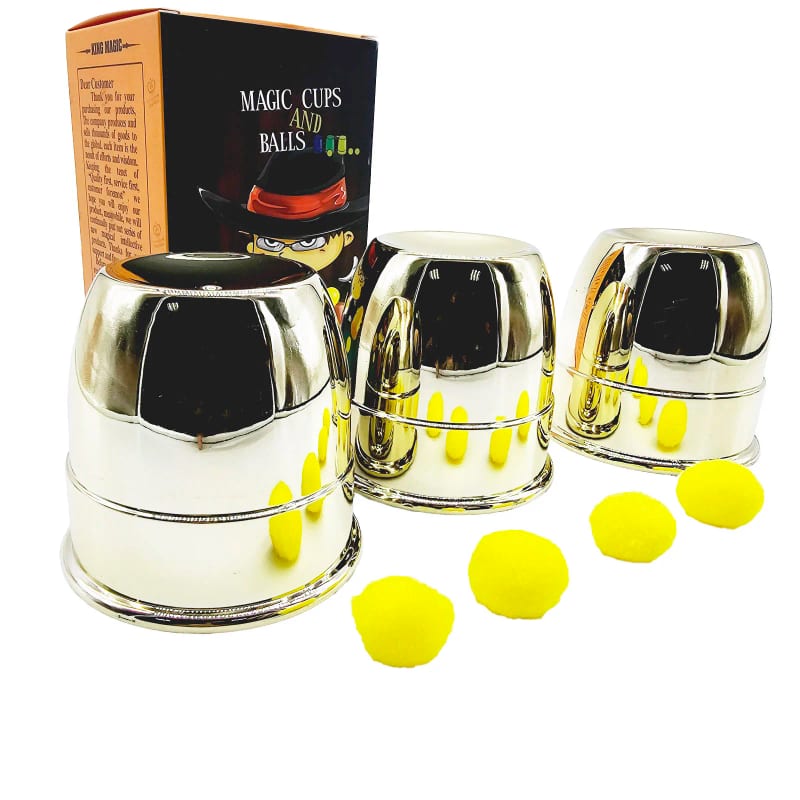


Isaac Fawkes (c. 1675–1732) was an English conjuror who performed at London's great fairs and in his own rooms in the 1720s, advertised heavily in the newspapers and died a rich man. He is one of the first performers known to have made a fortune purely from magic.
Life
Almost nothing is known of his early life, and his birth year is a guess. By the early 1720s he was a fixture at Bartholomew Fair in Smithfield and Southwark Fair, where he is said to have given up to six shows a day in a booth. Out of fair season he hired rooms: the Long Room by the Opera House in the Haymarket in 1723, premises in Upper Moorfields, a booth on Tower Hill, and an old tennis court in James Street that came to be known as Fawkes's theatre.
He died on 25 May 1732 and was buried at St Martin-in-the-Fields, Westminster. His fortune was reported at more than £10,000, a very large sum for the time, and it went to his widow, Alice.
What audiences saw
Fawkes's newspaper notices give a good idea of the show. He was famous for the egg bag: a cloth bag, shown empty, from which he produced eggs, coins and live birds. Cards changed into other cards or into mice. In one advertised feature, an apple tree grew from seed in a pot and bore ripe fruit in about a minute.
Around the magic there was variety. His son, who first performed as a tumbler at twelve, became the show's posture master, a contortionist. Later bills added a musical clock and other automata made by the Fleet Street clockmaker Christopher Pinchbeck, who supplied much of his apparatus from the late 1720s.
In Hogarth's prints
Fawkes was famous enough to be a target. William Hogarth's print Masquerades and Operas (1723), an attack on the low taste of London entertainment, alludes to his show. Hogarth's Southwark Fair, published a few years after Fawkes's death, shows a Fawkes booth, which may by then have been run by his son.
Legacy
Fawkes stands between the street and fair conjurors of earlier centuries and the theatre magicians who followed. Sixty years later Giuseppe Pinetti would play the courts of Europe. The egg bag he made famous is still performed, and so are the cups and balls, the fairground classic of his day.
Frequently asked questions
Who was Isaac Fawkes?
A London conjuror of the 1720s who performed at Bartholomew and Southwark fairs and in his own rooms, and became rich from magic.
When did Isaac Fawkes die?
On 25 May 1732. He was buried at St Martin-in-the-Fields in Westminster.
What trick was Isaac Fawkes known for?
The egg bag, from which he produced eggs, money and live birds, and an apple tree that appeared to grow and bear fruit in a minute.
Coming soon
Want to learn magic properly?
We're preparing lessons that teach classic tricks step by step, for members. Leave your email and we'll write once, when they open. Nothing else.