The Spirit Cabinet
1850s

Two performers are tied hand and foot inside a wooden cabinet with musical instruments. The doors close, bells ring and instruments play; the doors open and the performers are still tied. Made famous by the Davenport brothers from the 1850s.
From the shop
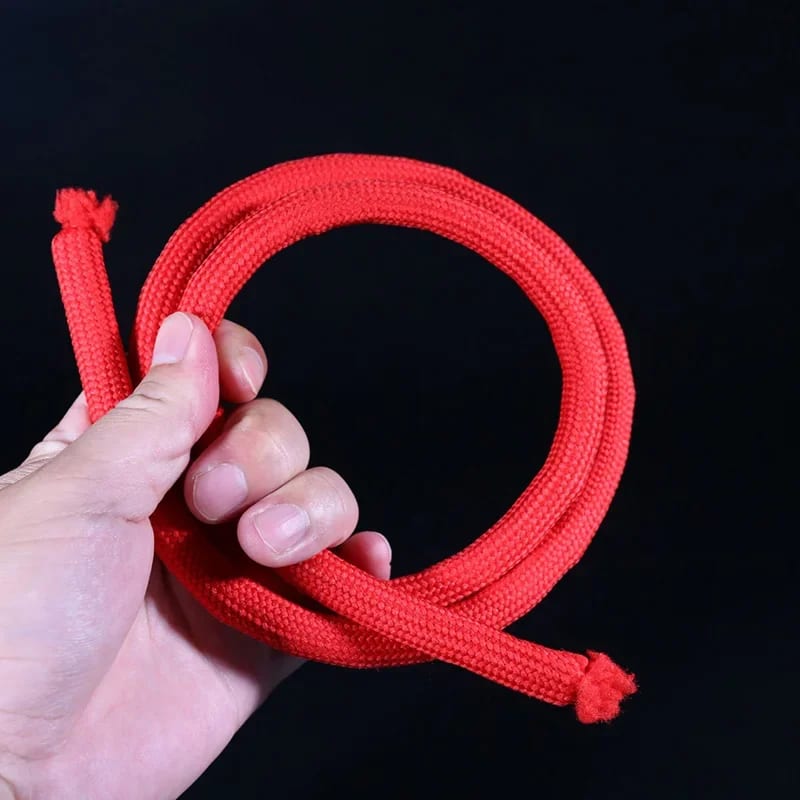
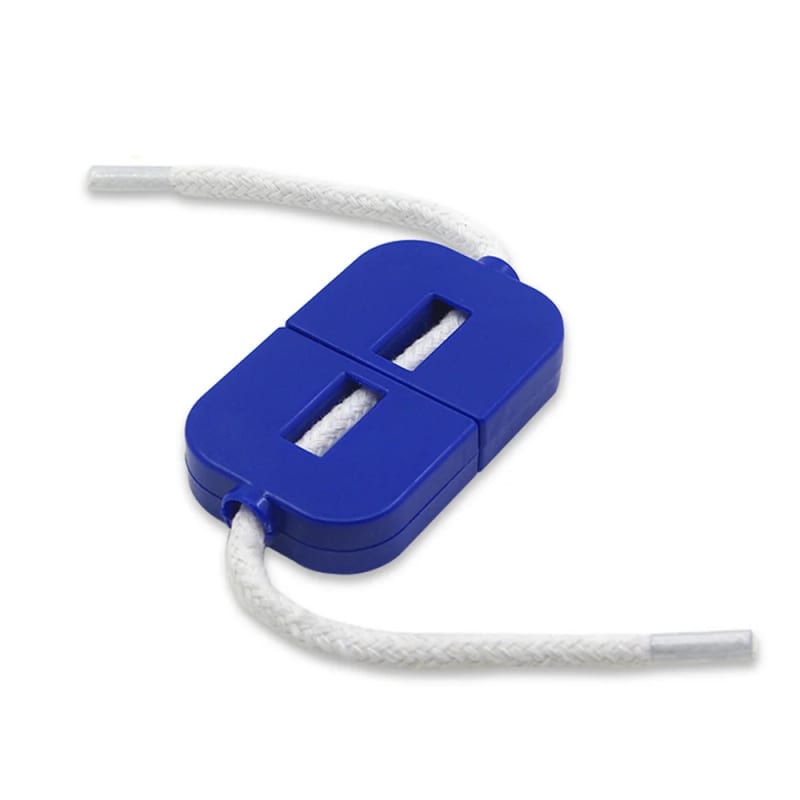
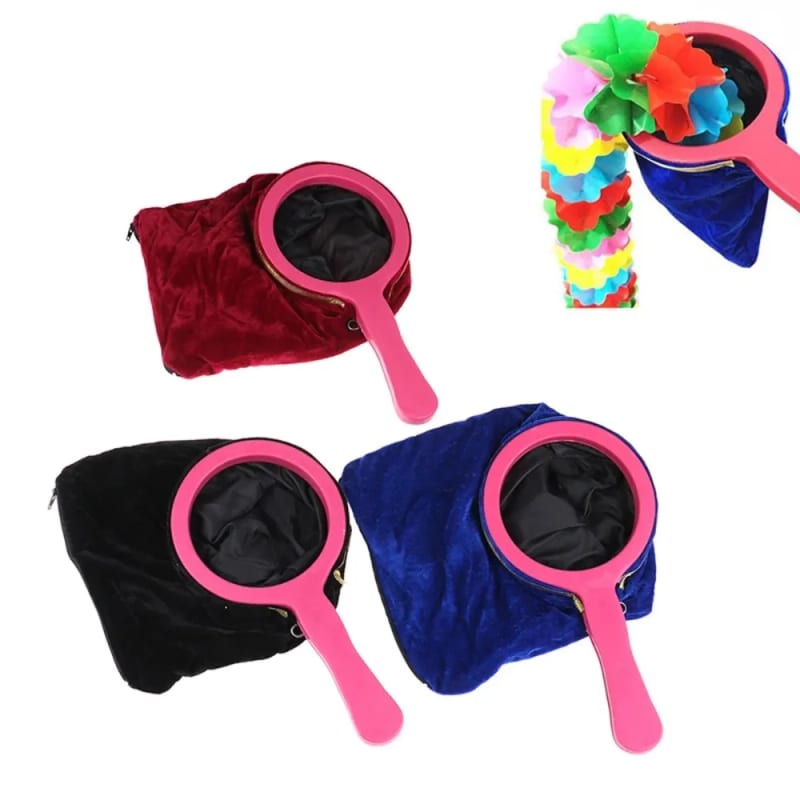
The spirit cabinet is a stage presentation in which performers are tied up inside a closed cabinet and, while no one can see them, bells ring, tambourines shake and instruments play, yet when the doors open they are still bound exactly as before. The American Davenport brothers made it famous from the 1850s, presenting it as proof of spirits; magicians soon showed the same thing could be done as conjuring.
Who first presented it
Ira Erastus Davenport (1839–1911) and William Henry Davenport (1841–1877) were the sons of a policeman in Buffalo, New York. They began giving séances in 1854, a few years after the Spiritualist movement swept America, and with their manager and a partner, William Fay, they developed a show built around a large wooden cabinet. They toured the United States for about ten years before taking it to Britain in 1864. That London season is on our history of magic timeline.
What the audience saw
The cabinet looked like a large wardrobe on legs, open to inspection, with a bench inside. Volunteers from the audience tied the brothers to the bench with ropes, as tightly as they liked. Instruments were placed inside and the doors were closed. At once the cabinet came alive: bells rang, a guitar and tambourine played, and hands were sometimes seen at an opening in the door. When the doors were thrown open, the brothers sat bound exactly as the committee had left them.
The Davenports never quite said they were mediums, but they let the audience believe it, and many did. Leading Spiritualists claimed them as proof of life after death. You can read more about the cabinet as a prop under spirit cabinet and about the settings it came from under séance.
Riots and imitators
Their British tour brought fame and fury. In Liverpool on 15 February 1865 a séance ended in a riot and the cabinet was smashed, and there was further trouble in other towns and in Paris that year. Meanwhile John Nevil Maskelyne and his partner George Cooke, who had watched the brothers in Cheltenham, presented their own cabinet show there in June 1865 to show that it was conjuring rather than spirits. That performance launched Maskelyne's career and led to his long seasons at the Egyptian Hall in London.
From then on the cabinet belonged to magic. Stage magicians presented spirit cabinets openly as illusions, and later mentalists and illusionists revived the form.
Houdini and the Davenports
Harry Houdini, who spent years exposing fraudulent mediums, befriended Ira Davenport late in his life. Houdini wrote that Ira told him the brothers' phenomena had never been the work of spirits, and in his 1924 book A Magician Among the Spirits he printed a letter from Ira. Ira died in 1911; William had died in Sydney in 1877 while on tour.
Why it endures
The spirit cabinet sits at the meeting point of magic and Spiritualism, and its story shows how a single act could be marketed either as religion or as entertainment. Versions of it still appear in theatrical séance shows, presented openly as performance. The method remains the magicians' secret.
Frequently asked questions
Who were the Davenport brothers?
Ira and William Davenport, American performers from Buffalo, New York, who toured from the 1850s with a spirit cabinet show that many took as proof of spirit contact.
Were the Davenport brothers real mediums?
No. Magicians including Maskelyne duplicated their show by conjuring, and Houdini reported that Ira Davenport admitted no spirits were involved.
What is a spirit cabinet?
A cabinet in which tied-up performers seem to make instruments play while the doors are shut. It began as a Spiritualist display and became a stage illusion.
Coming soon
Want to learn magic properly?
We're preparing lessons that teach classic tricks step by step, for members. Leave your email and we'll write once, when they open. Nothing else.
See also
From the shop